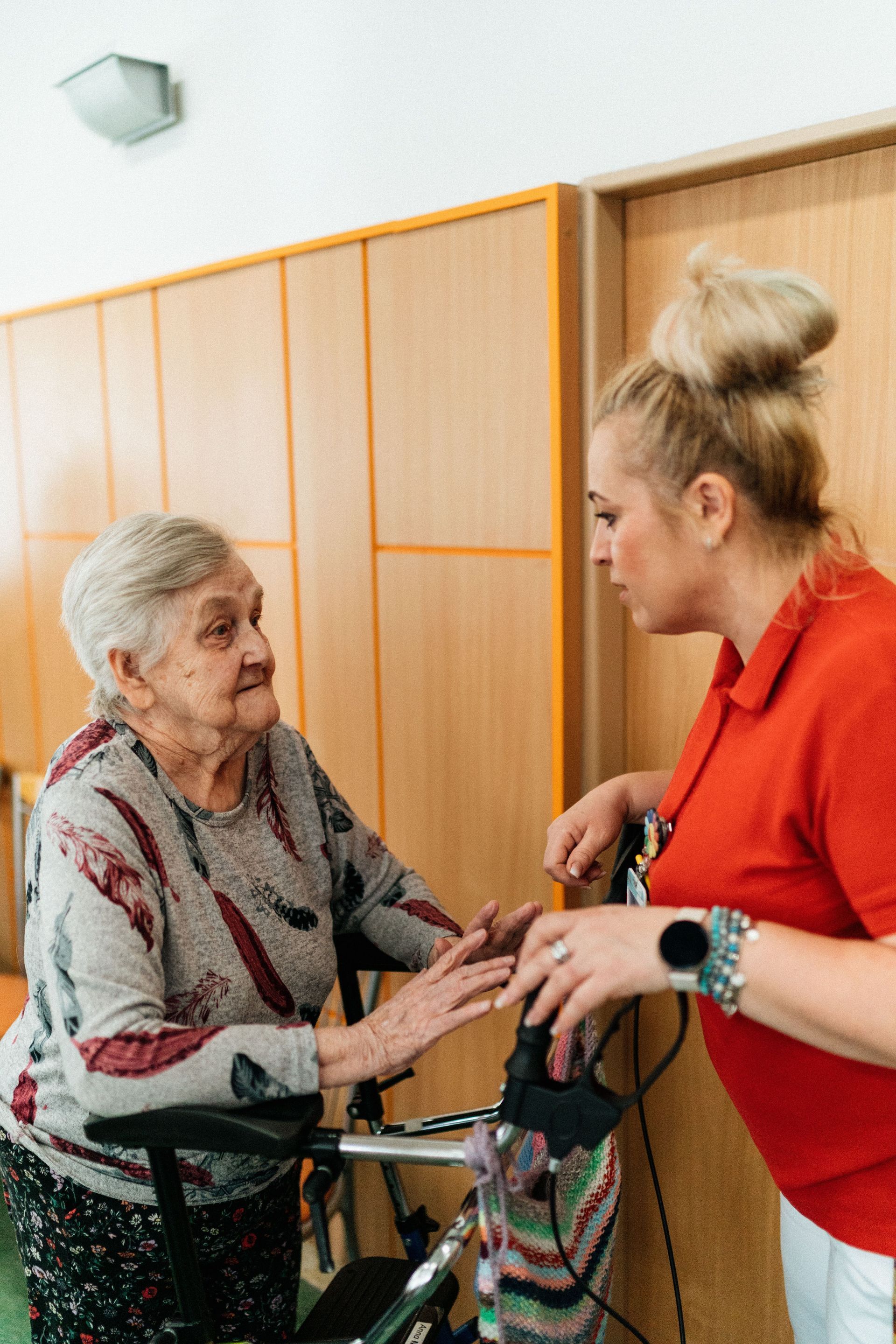

Care That Supports Cognitive Health at Home
Memory Care in Stroudsburg for individuals living with Alzheimer's disease, dementia, or cognitive decline
Solace & Comfort Services provides Memory Care in Stroudsburg designed to support individuals living with Alzheimer's disease, dementia, and cognitive decline through calm, structured assistance. Families often turn to this service when a loved one experiences confusion, memory loss, or changes in routine that make daily life feel unpredictable. Caregivers use dementia-aware communication techniques to reduce stress and help clients feel oriented in familiar surroundings.
This service focuses on maintaining routine, reducing confusion, and preserving dignity through companionship, medication reminders, mobility support, meal preparation, and cognitive engagement activities. Caregivers remain aware of wandering patterns and use redirection during moments of confusion to help clients return to calming, familiar activities. Overnight and live-in support options are available when additional safety monitoring is needed.
Schedule a consultation to discuss personalized memory support and in-home safety planning tailored to your loved one's needs.

How Dementia-Aware Support Reduces Daily Stress
Caregivers trained in dementia-aware communication use tone, pacing, and familiar language to reduce agitation and help clients process information without feeling overwhelmed. Routine-based support keeps daily activities predictable, which helps limit confusion when the environment or schedule changes. Cognitive engagement activities such as sorting familiar objects, discussing past memories, or listening to music from earlier decades encourage connection without demanding recall.
Families notice that their loved one experiences fewer moments of distress and remains more engaged in daily routines when caregivers provide consistent reassurance and recognize early signs of confusion. Wandering and safety monitoring allow caregivers to intervene before risky behaviors escalate, and redirection techniques guide clients back to calm activities without confrontation. Wellness observations track changes in mood, appetite, sleep patterns, and mobility so families receive timely updates about shifts in their loved one's condition.
Memory Care also includes family communication updates that explain what occurred during care visits, how the client responded to activities, and any behavioral changes observed. This ongoing reporting helps families make informed decisions about care adjustments and provides reassurance that their loved one is being monitored closely.
Questions Families Ask About Memory Support
Families in Stroudsburg often have concerns about how memory care is delivered at home and what to expect as cognitive decline progresses.
- How do caregivers handle wandering or attempts to leave the home? Caregivers use gentle redirection, engage the client in a calming activity, and monitor exit points to prevent unsafe departures without using restraints or causing distress.
- What types of cognitive engagement activities are used during visits? Activities are chosen based on the client's past interests and current abilities, such as folding towels, sorting photos, discussing family stories, or listening to music that resonates with earlier life stages.
- When should families consider overnight memory care support? Overnight support is recommended when clients experience nighttime wandering, confusion upon waking, or disrupted sleep patterns that increase fall risks or caregiver exhaustion.
- What makes dementia-aware communication different from standard caregiving? Caregivers avoid correcting or arguing with confused clients, use short and clear sentences, maintain calm body language, and validate emotions rather than focusing on factual accuracy.
- How often are families updated about their loved one's condition? Families receive communication after each visit, with caregivers documenting mood, behavior, engagement levels, and any concerns that may require medical follow-up or care plan adjustments.
Solace & Comfort Services works with families to create memory care plans that adapt as cognitive needs change. Request a consultation to review in-home safety planning and caregiver scheduling options based on your loved one's routine and current challenges.
services included
- Routine-based daily support
- Medication reminders
- Mobility and personal care assistance
- Meal preparation and hydration support
- Cognitive engagement activities
- Wandering and safety monitoring
- Redirection during moments of confusion
- Family communication and wellness updates
- Overnight or live-in support options